Uganda's first school of journalism and mass communication — training reporters, broadcasters and communicators since 1996.

Two-year diplomas in computing, ICT, journalism & media, human resources, public administration and records management.
View diploma programmes
National certificates in business, ICT, journalism & media, public administration, records and secretarial & office management.
View certificate programmes
In 1996, with 32 students and one conviction — that Uganda deserved its own school of journalism — Charles Ogwel opened UMCAT. Thirty years later, its graduates fill the country's newsrooms.
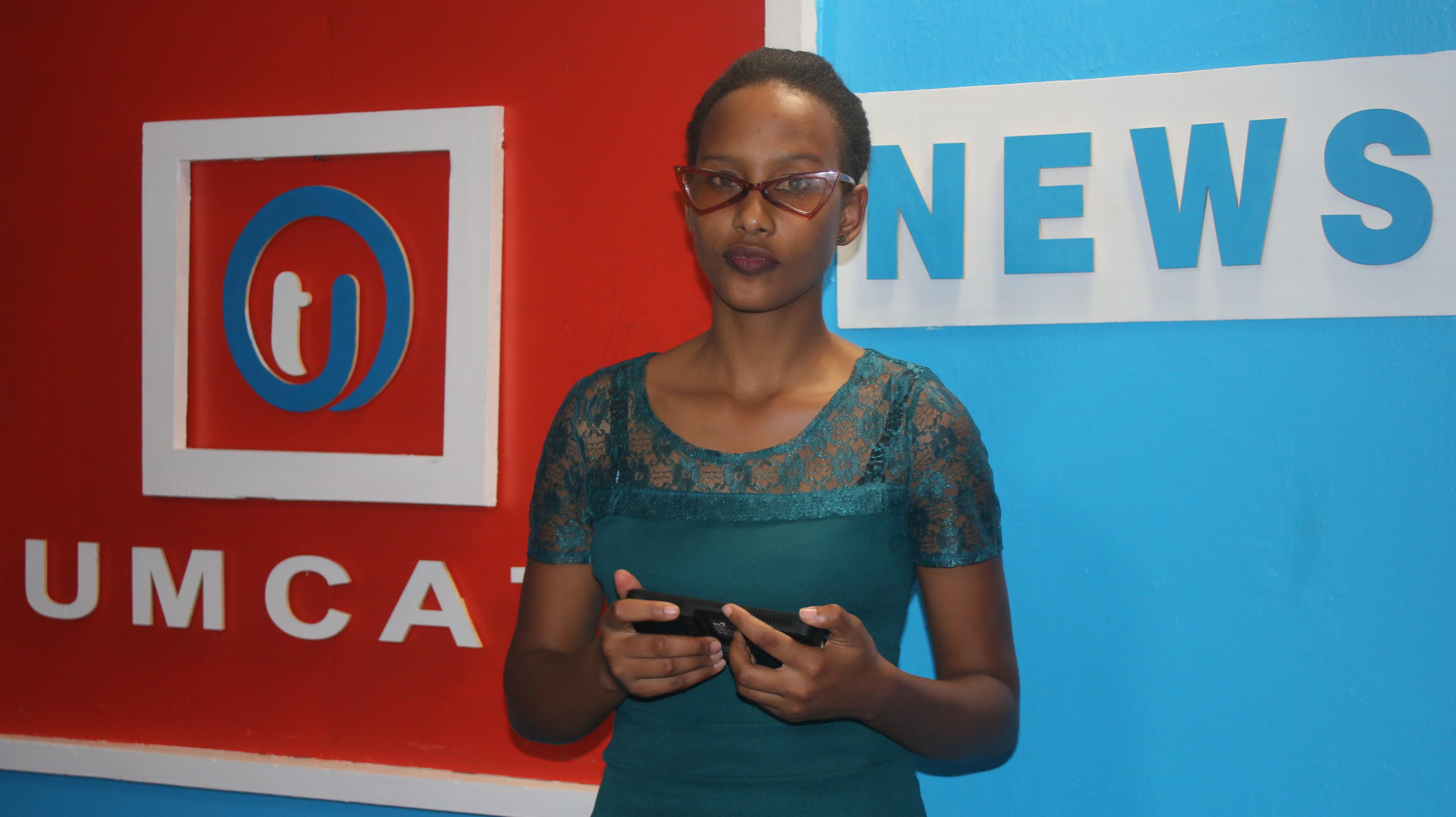
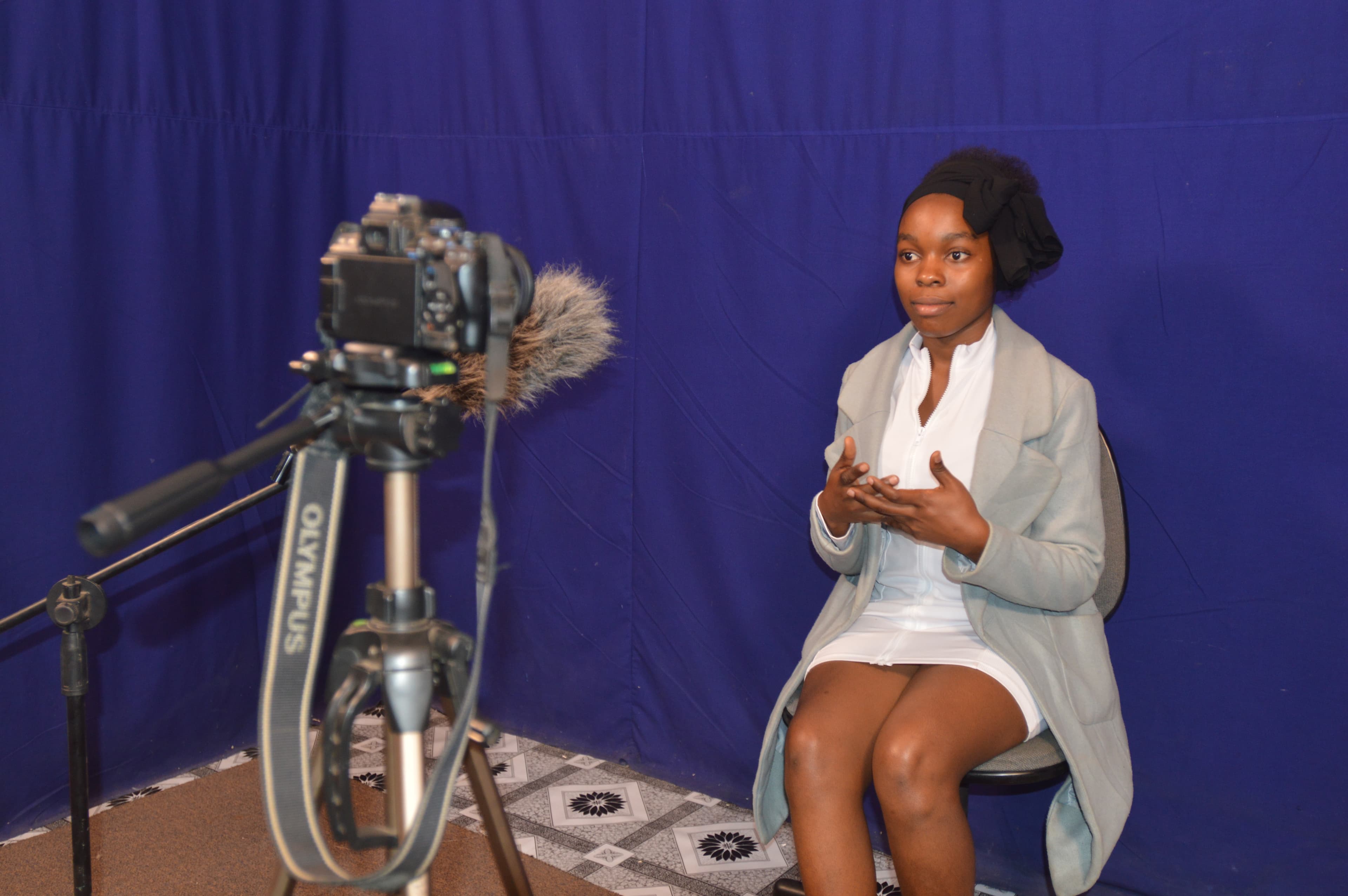
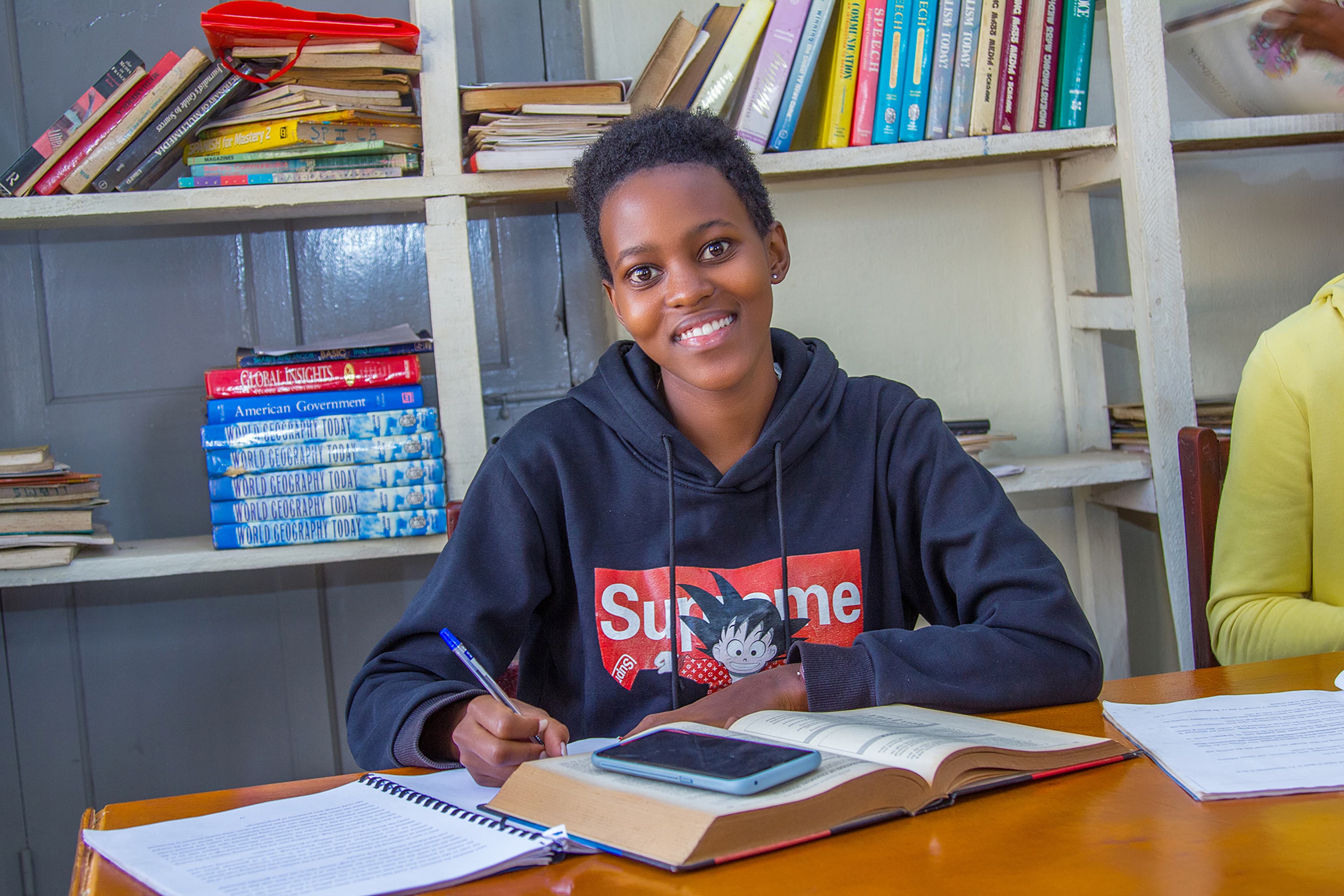
Our storyFrom day one, UMCAT is hands-on. Students report real stories, produce radio and television, shoot and edit, design, and run live newsroom shifts — building a portfolio long before they graduate.


Guest of honor Dr. Sarah Kanyike, Senior Presidential Adviser, congratulated a new class of storytellers at the school's 15th ceremony.
Read the story
Uganda's first media training school — opened in 1996, when the airwaves were new and the newsrooms needed people. We have been training them ever since.
To be a world-class journalism, multimedia training and research institution.
To provide high-quality, market-driven education, training, research and consultancy in journalism, multimedia, communication, business, management and ICT.
UMCAT was founded in 1996 by Charles Ogwel, a young Makerere Mass Communication graduate, at the height of Uganda's media boom — when new stations were opening everywhere and trained journalists were nowhere to be found.
The first class was 32 students. Today, after thirty years, UMCAT graduates work across Uganda's newsrooms, stations and communication offices.
Read the full story
"Welcome to UMCAT. For thirty years we have had one job: producing ethical, competent, practically skilled professionals who serve society. If you have a story to tell — and every Ugandan does — we will teach you to tell it well."
Kampala is the main school. Regional training centres carry UMCAT across Uganda — and beyond its borders.
Business and management courses are offered at the regional centres.
The Makerere Mass Communication graduate whose vision started the school in 1996 and who led the development of Uganda's first national journalism curriculum.

The school's ambition for its next chapter: strengthening international partnerships and working toward becoming a specialized university of journalism, media and communication.
Thirteen accredited programmes across two award levels — each broken down by year, semester, module and credit unit. Every programme is built on practical, hands-on training.
Applications for the 2026/27 intake are open. Apply online in minutes, or visit the admissions office at Kyadondo Road.
Browse our programs and pick the diploma, certificate or short course that fits your goals.
Complete the online application form, or pick up a physical form at the admissions office.
Admissions reviews applications on a rolling basis. You'll be contacted with your offer and reporting dates.
UMCAT offers scholarship opportunities for qualifying students each academic year. Scholarship applications for 2026/27 are now open.
Scholarship details
This year UMCAT turns thirty. To mark it, we're telling the school's story in four parts — from a single classroom of 32 students in 1996 to a national institution whose graduates fill Uganda's newsrooms, studios and communication offices. Read the series below, then catch up on the latest school news.


Graduations, admissions updates, scholarships and stories from campus. Follow along as we publish news throughout the anniversary year.

Guest of honor Dr. Sarah Kanyike, Senior Presidential Adviser, congratulated the graduating class.

Graduates from diploma and certificate programs crossed the stage at the school's 14th ceremony.

Apply online or at the Kyadondo Road campus. Applications are reviewed on a rolling basis.

Tuition support is available this academic year. Ask the admissions office how to apply.
Existing articles from umcatuganda.ac.ug/blog will be migrated into this section.
{{ para }}
Graduations, campus life and the community around the school.
Every year the school gathers to send a new class into Uganda's media industry. These moments — the gowns, the families, the first job offers — are the reason UMCAT exists.


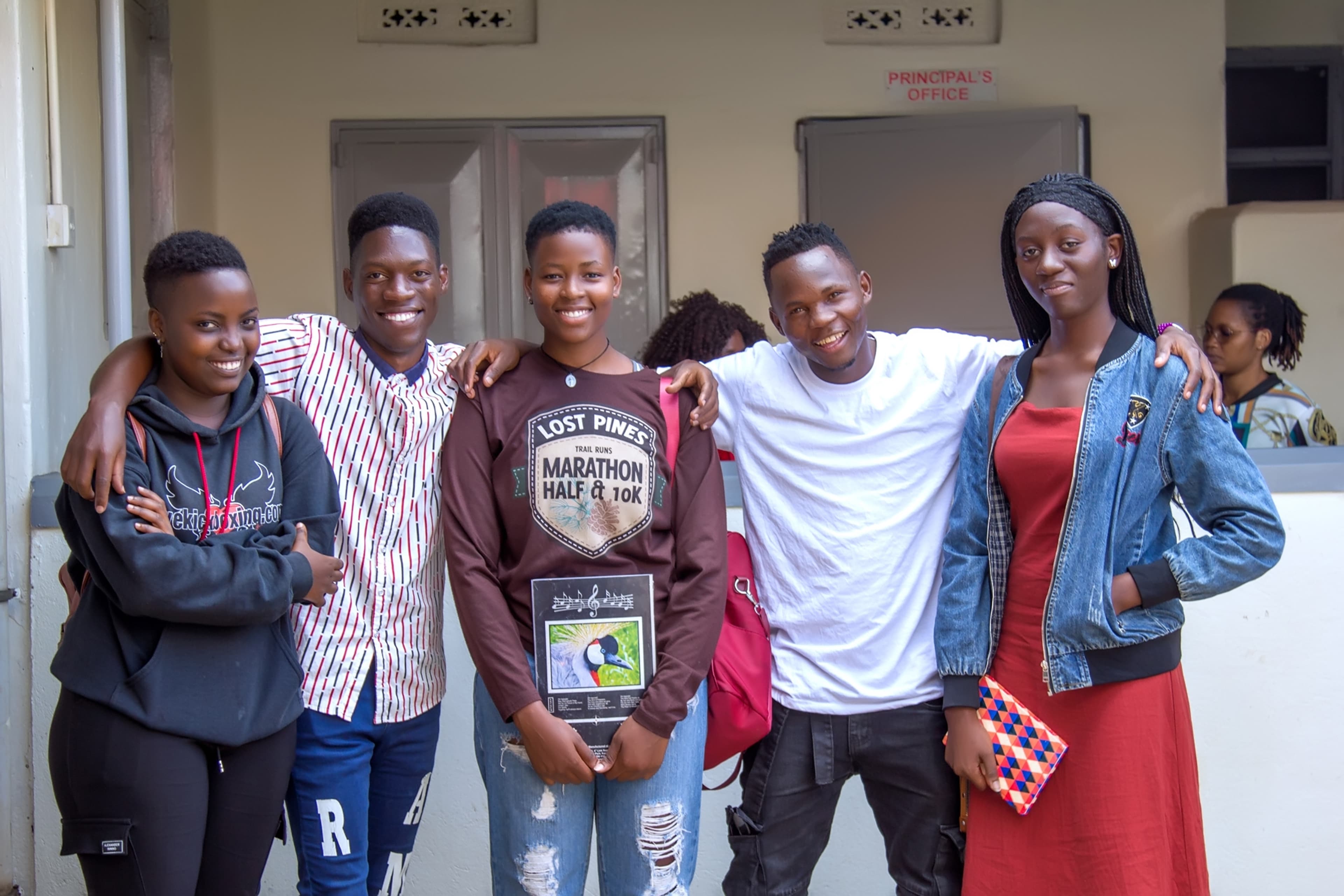
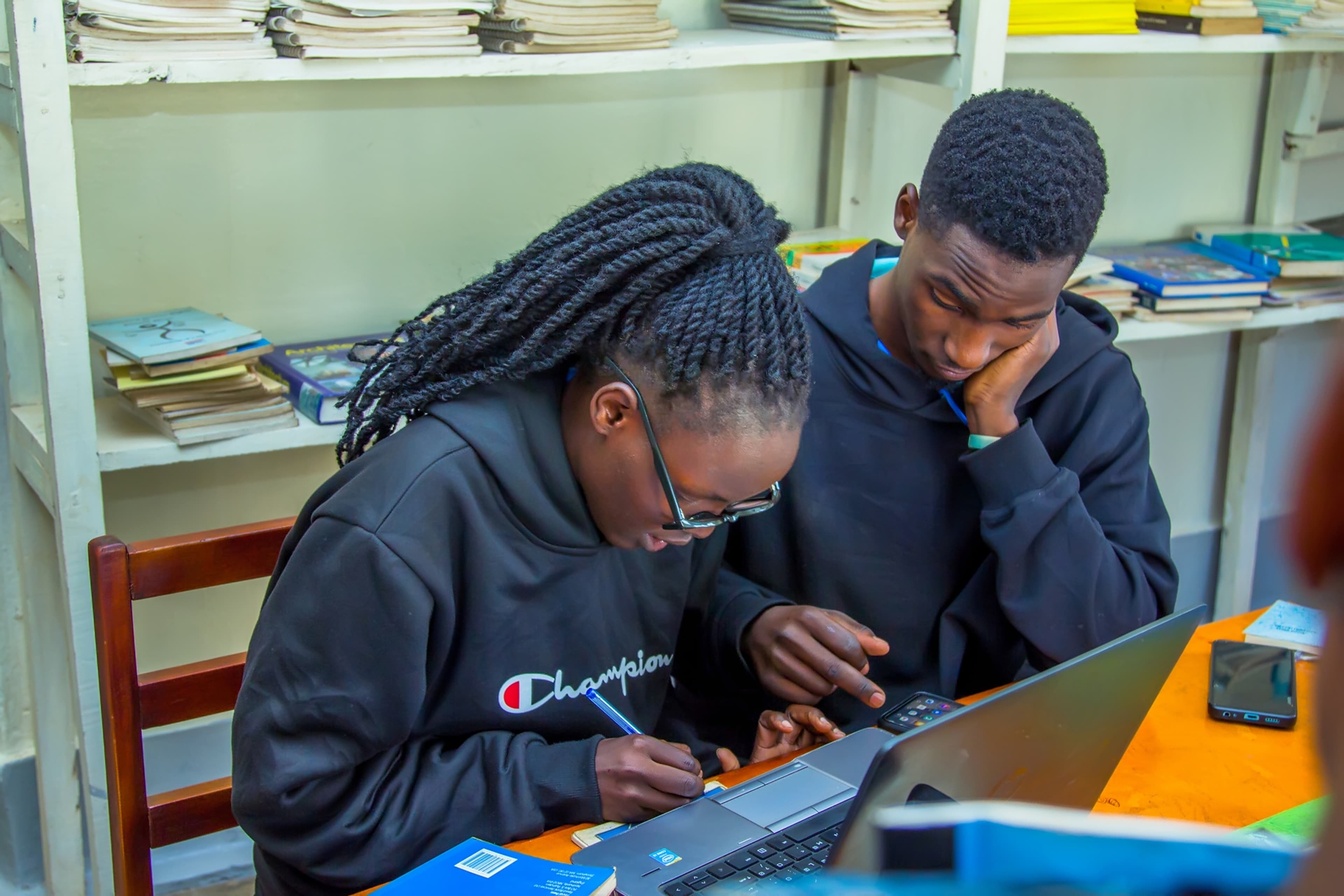
Practical classes, studio shoots, newsroom shifts and field assignments — this is where theory becomes real work, and where friendships and careers begin.


Photos from the school's cultural events will be added here.
Whether you're applying for the 2026/27 intake, asking about a programme, or arranging a visit, the admissions office is happy to help. Walk in at Kyadondo Road, call, or email — and regional students can reach our centres in Arua, Gulu, Soroti, Mbale and Mbarara.
School of Journalism and Mass Communication. Licensed and accredited by the Uganda National Council for Higher Education.
Professionalism for Development — 1996–2026.